"/><stop offset="1" stop-color="rgb(64, 222, 39)"/></linearGradient></defs><g d="M 94.27 35.059 L 89.16 35.059 L 77.6 17.589 L 77.6 35.059 L 72.49 35.059 L 72.49 9.559 L 77.6 9.559 L 89.16 27.069 L 89.16 9.559 L 94.27 9.559 Z M 104.41 13.719 L 104.41 20.099 L 112.98 20.099 L 112.98 24.149 L 104.41 24.149 L 104.41 30.899 L 114.08 30.899 L 114.08 35.059 L 99.31 35.059 L 99.31 9.559 L 114.08 9.559 L 114.08 13.719 Z M 152.75 9.599 L 145.64 35.059 L 139.62 35.059 L 134.84 16.929 L 129.84 35.059 L 123.86 35.099 L 117 9.599 L 122.47 9.599 L 126.96 29.369 L 132.14 9.599 L 137.83 9.599 L 142.72 29.259 L 147.24 9.599 Z M 198.78 9.599 L 191.67 35.059 L 185.65 35.059 L 180.87 16.929 L 175.87 35.059 L 169.89 35.099 L 163.03 9.599 L 168.5 9.599 L 172.99 29.369 L 178.17 9.599 L 183.86 9.599 L 188.75 29.259 L 193.27 9.599 Z M 207.36 33.639 C 205.36 32.519 203.78 30.969 202.62 28.989 C 201.45 27.009 200.87 24.759 200.87 22.259 C 200.87 19.759 201.45 17.549 202.62 15.569 C 203.79 13.589 205.37 12.039 207.36 10.919 C 209.35 9.799 211.54 9.239 213.93 9.239 C 216.32 9.239 218.53 9.799 220.51 10.919 C 222.49 12.039 224.06 13.589 225.22 15.569 C 226.38 17.549 226.95 19.779 226.95 22.259 C 226.95 24.739 226.37 27.009 225.22 28.989 C 224.098 30.939 222.466 32.546 220.5 33.639 C 218.51 34.759 216.32 35.319 213.93 35.319 C 211.54 35.319 209.36 34.759 207.36 33.639 Z M 217.97 29.719 C 219.14 29.029 220.05 28.039 220.71 26.749 C 221.37 25.459 221.69 23.969 221.69 22.259 C 221.69 20.549 221.36 19.069 220.71 17.789 C 220.06 16.509 219.14 15.529 217.97 14.849 C 216.8 14.169 215.45 13.829 213.92 13.829 C 212.39 13.829 211.03 14.169 209.85 14.849 C 208.67 15.529 207.75 16.509 207.1 17.789 C 206.45 19.069 206.12 20.559 206.12 22.259 C 206.12 23.959 206.45 25.459 207.1 26.749 C 207.75 28.039 208.67 29.029 209.85 29.719 C 211.03 30.409 212.39 30.759 213.92 30.759 C 215.45 30.759 216.8 30.409 217.97 29.719 Z M 243.87 35.059 L 238.25 25.139 L 235.84 25.139 L 235.84 35.059 L 230.73 35.059 L 230.73 9.599 L 240.29 9.599 C 242.26 9.599 243.94 9.949 245.32 10.639 C 246.71 11.329 247.75 12.269 248.44 13.449 C 249.13 14.629 249.48 15.949 249.48 17.409 C 249.48 19.089 248.99 20.599 248.02 21.949 C 247.05 23.299 245.6 24.229 243.68 24.739 L 249.77 35.059 L 243.86 35.059 Z M 235.85 21.309 L 240.12 21.309 C 241.51 21.309 242.54 20.979 243.22 20.309 C 243.9 19.639 244.24 18.709 244.24 17.519 C 244.24 16.329 243.9 15.449 243.22 14.799 C 242.54 14.159 241.51 13.829 240.12 13.829 L 235.85 13.829 Z M 259.23 31.009 L 267.62 31.009 L 267.62 35.059 L 254.12 35.059 L 254.12 9.599 L 259.23 9.599 Z M 286.83 11.169 C 288.86 12.219 290.43 13.709 291.54 15.639 C 292.65 17.569 293.2 19.819 293.2 22.369 C 293.2 24.919 292.65 27.159 291.54 29.059 C 290.43 30.969 288.86 32.449 286.83 33.489 C 284.8 34.529 282.45 35.059 279.77 35.059 L 270.87 35.059 L 270.87 9.599 L 279.77 9.599 C 282.45 9.599 284.8 10.119 286.83 11.169 Z M 285.79 28.529 C 287.25 27.069 287.98 25.019 287.98 22.359 C 287.98 19.699 287.25 17.639 285.79 16.139 C 284.33 14.639 282.26 13.899 279.59 13.899 L 275.98 13.899 L 275.98 30.719 L 279.59 30.719 C 282.26 30.719 284.33 29.989 285.79 28.529 Z M 74.05 44.989 L 74.05 51.269 L 80.9 51.269 L 80.9 53.289 L 74.05 53.289 L 74.05 59.759 L 81.71 59.759 L 81.71 61.779 L 71.6 61.779 L 71.6 42.949 L 81.71 42.949 L 81.71 44.969 L 74.05 44.969 Z M 102.64 61.789 L 100.19 61.789 L 90.32 46.819 L 90.32 61.789 L 87.87 61.789 L 87.87 42.959 L 90.32 42.959 L 100.19 57.899 L 100.19 42.959 L 102.64 42.959 Z M 111.7 44.989 L 111.7 51.269 L 118.55 51.269 L 118.55 53.289 L 111.7 53.289 L 111.7 59.759 L 119.36 59.759 L 119.36 61.779 L 109.25 61.779 L 109.25 42.949 L 119.36 42.949 L 119.36 44.969 L 111.7 44.969 Z M 135.41 61.789 L 130.93 54.099 L 127.96 54.099 L 127.96 61.789 L 125.51 61.789 L 125.51 42.989 L 131.58 42.989 C 133 42.989 134.2 43.229 135.18 43.719 C 136.16 44.209 136.89 44.859 137.38 45.689 C 137.87 46.519 138.11 47.459 138.11 48.519 C 138.11 49.819 137.74 50.959 136.99 51.949 C 136.24 52.939 135.12 53.589 133.63 53.919 L 138.35 61.799 L 135.41 61.799 Z M 127.96 52.129 L 131.57 52.129 C 132.9 52.129 133.9 51.799 134.56 51.149 C 135.22 50.499 135.56 49.619 135.56 48.519 C 135.56 47.419 135.23 46.539 134.58 45.929 C 133.92 45.319 132.92 45.009 131.57 45.009 L 127.96 45.009 Z M 158.57 48.439 C 158.05 47.339 157.29 46.489 156.31 45.889 C 155.32 45.289 154.17 44.989 152.86 44.989 C 151.55 44.989 150.37 45.289 149.31 45.889 C 148.26 46.489 147.43 47.359 146.83 48.479 C 146.23 49.599 145.93 50.899 145.93 52.379 C 145.93 53.859 146.23 55.149 146.83 56.259 C 147.43 57.379 148.26 58.229 149.31 58.839 C 150.36 59.439 151.54 59.739 152.86 59.739 C 154.69 59.739 156.2 59.189 157.39 58.089 C 158.58 56.989 159.27 55.509 159.47 53.639 L 151.97 53.639 L 151.97 51.639 L 162.08 51.639 L 162.08 53.529 C 161.94 55.079 161.45 56.489 160.62 57.779 C 159.79 59.069 158.71 60.079 157.36 60.829 C 156.01 61.579 154.51 61.949 152.86 61.949 C 151.12 61.949 149.52 61.539 148.09 60.719 C 146.664 59.914 145.486 58.735 144.68 57.309 C 143.84 55.849 143.43 54.209 143.43 52.369 C 143.43 50.529 143.85 48.889 144.68 47.419 C 145.52 45.949 146.65 44.809 148.09 43.999 C 149.53 43.179 151.12 42.769 152.86 42.769 C 154.86 42.769 156.62 43.259 158.16 44.249 C 159.7 45.239 160.82 46.629 161.52 48.429 L 158.58 48.429 Z M 180.91 42.989 L 174.79 54.699 L 174.79 61.789 L 172.34 61.789 L 172.34 54.699 L 166.19 42.989 L 168.91 42.989 L 173.55 52.509 L 178.19 42.989 Z M 74.05 44.989 L 74.05 51.269 L 80.9 51.269 L 80.9 53.289 L 74.05 53.289 L 74.05 59.759 L 81.71 59.759 L 81.71 61.779 L 71.6 61.779 L 71.6 42.949 L 81.71 42.949 L 81.71 44.969 L 74.05 44.969 Z M 102.64 61.789 L 100.19 61.789 L 90.32 46.819 L 90.32 61.789 L 87.87 61.789 L 87.87 42.959 L 90.32 42.959 L 100.19 57.899 L 100.19 42.959 L 102.64 42.959 Z M 111.7 44.989 L 111.7 51.269 L 118.55 51.269 L 118.55 53.289 L 111.7 53.289 L 111.7 59.759 L 119.36 59.759 L 119.36 61.779 L 109.25 61.779 L 109.25 42.949 L 119.36 42.949 L 119.36 44.969 L 111.7 44.969 Z M 135.41 61.789 L 130.93 54.099 L 127.96 54.099 L 127.96 61.789 L 125.51 61.789 L 125.51 42.989 L 131.58 42.989 C 133 42.989 134.2 43.229 135.18 43.719 C 136.16 44.209 136.89 44.859 137.38 45.689 C 137.87 46.519 138.11 47.459 138.11 48.519 C 138.11 49.819 137.74 50.959 136.99 51.949 C 136.24 52.939 135.12 53.589 133.63 53.919 L 138.35 61.799 L 135.41 61.799 Z M 127.96 52.129 L 131.57 52.129 C 132.9 52.129 133.9 51.799 134.56 51.149 C 135.22 50.499 135.56 49.619 135.56 48.519 C 135.56 47.419 135.23 46.539 134.58 45.929 C 133.92 45.319 132.92 45.009 131.57 45.009 L 127.96 45.009 Z M 158.57 48.439 C 158.05 47.339 157.29 46.489 156.31 45.889 C 155.32 45.289 154.17 44.989 152.86 44.989 C 151.55 44.989 150.37 45.289 149.31 45.889 C 148.26 46.489 147.43 47.359 146.83 48.479 C 146.23 49.599 145.93 50.899 145.93 52.379 C 145.93 53.859 146.23 55.149 146.83 56.259 C 147.43 57.379 148.26 58.229 149.31 58.839 C 150.36 59.439 151.54 59.739 152.86 59.739 C 154.69 59.739 156.2 59.189 157.39 58.089 C 158.58 56.989 159.27 55.509 159.47 53.639 L 151.97 53.639 L 151.97 51.639 L 162.08 51.639 L 162.08 53.529 C 161.94 55.079 161.45 56.489 160.62 57.779 C 159.79 59.069 158.71 60.079 157.36 60.829 C 156.01 61.579 154.51 61.949 152.86 61.949 C 151.12 61.949 149.52 61.539 148.09 60.719 C 146.664 59.914 145.486 58.735 144.68 57.309 C 143.84 55.849 143.43 54.209 143.43 52.369 C 143.43 50.529 143.85 48.889 144.68 47.419 C 145.52 45.949 146.65 44.809 148.09 43.999 C 149.53 43.179 151.12 42.769 152.86 42.769 C 154.86 42.769 156.62 43.259 158.16 44.249 C 159.7 45.239 160.82 46.629 161.52 48.429 L 158.58 48.429 Z M 180.91 42.989 L 174.79 54.699 L 174.79 61.789 L 172.34 61.789 L 172.34 54.699 L 166.19 42.989 L 168.91 42.989 L 173.55 52.509 L 178.19 42.989 Z M 34.15 69.379 L 19.68 69.379 C 17.58 69.379 16.32 67.049 17.47 65.289 L 29.86 46.309 L 19.46 46.309 C 17.17 46.309 15.96 43.589 17.5 41.889 L 30.01 28.059 C 30.988 26.977 32.658 26.892 33.74 27.869 L 34.61 28.659 C 35.69 29.639 35.78 31.309 34.8 32.389 L 28.05 39.849 L 38.03 39.849 C 40.13 39.849 41.39 42.179 40.24 43.939 L 27.85 62.919 L 32.73 62.919 C 43.24 62.919 51.77 54.399 51.77 43.879 L 51.77 31.609 C 51.77 30.909 51.49 30.239 51 29.739 L 30.98 9.709 C 29.946 8.679 28.274 8.679 27.24 9.709 L 7.22 29.739 C 6.72 30.239 6.45 30.909 6.45 31.609 L 6.45 66.099 C 6.45 67.559 5.27 68.739 3.81 68.739 L 2.64 68.739 C 1.18 68.739 0 67.559 0 66.099 L 0 28.929 C 0 28.229 0.28 27.559 0.77 27.059 L 27.24 0.579 C 28.274 -0.451 29.946 -0.451 30.98 0.579 L 57.46 27.059 C 57.96 27.559 58.23 28.229 58.23 28.929 L 58.23 45.289 C 58.23 58.589 47.45 69.369 34.15 69.369 Z" fill="transparent" height="69.37925640739853px" id="zu2zGsHL7" width="293.200002746582px"><path d="M 21.78 25.82 L 16.67 25.82 L 5.11 8.35 L 5.11 25.82 L 0 25.82 L 0 0.32 L 5.11 0.32 L 16.67 17.83 L 16.67 0.32 L 21.78 0.32 Z M 31.92 4.48 L 31.92 10.86 L 40.49 10.86 L 40.49 14.91 L 31.92 14.91 L 31.92 21.66 L 41.59 21.66 L 41.59 25.82 L 26.82 25.82 L 26.82 0.32 L 41.59 0.32 L 41.59 4.48 Z M 80.26 0.36 L 73.15 25.82 L 67.13 25.82 L 62.35 7.69 L 57.35 25.82 L 51.37 25.86 L 44.51 0.36 L 49.98 0.36 L 54.47 20.13 L 59.65 0.36 L 65.34 0.36 L 70.23 20.02 L 74.75 0.36 Z M 126.29 0.36 L 119.18 25.82 L 113.16 25.82 L 108.38 7.69 L 103.38 25.82 L 97.4 25.86 L 90.54 0.36 L 96.01 0.36 L 100.5 20.13 L 105.68 0.36 L 111.37 0.36 L 116.26 20.02 L 120.78 0.36 Z M 134.87 24.4 C 132.87 23.28 131.29 21.73 130.13 19.75 C 128.96 17.77 128.38 15.52 128.38 13.02 C 128.38 10.52 128.96 8.31 130.13 6.33 C 131.3 4.35 132.88 2.8 134.87 1.68 C 136.86 0.56 139.05 0 141.44 0 C 143.83 0 146.04 0.56 148.02 1.68 C 150 2.8 151.57 4.35 152.73 6.33 C 153.89 8.31 154.46 10.54 154.46 13.02 C 154.46 15.5 153.88 17.77 152.73 19.75 C 151.608 21.699 149.976 23.307 148.01 24.4 C 146.02 25.52 143.83 26.08 141.44 26.08 C 139.05 26.08 136.87 25.52 134.87 24.4 Z M 145.48 20.48 C 146.65 19.79 147.56 18.8 148.22 17.51 C 148.88 16.22 149.2 14.73 149.2 13.02 C 149.2 11.31 148.87 9.83 148.22 8.55 C 147.57 7.27 146.65 6.29 145.48 5.61 C 144.31 4.93 142.96 4.59 141.43 4.59 C 139.9 4.59 138.54 4.93 137.36 5.61 C 136.18 6.29 135.26 7.27 134.61 8.55 C 133.96 9.83 133.63 11.32 133.63 13.02 C 133.63 14.72 133.96 16.22 134.61 17.51 C 135.26 18.8 136.18 19.79 137.36 20.48 C 138.54 21.17 139.9 21.52 141.43 21.52 C 142.96 21.52 144.31 21.17 145.48 20.48 Z M 171.38 25.82 L 165.76 15.9 L 163.35 15.9 L 163.35 25.82 L 158.24 25.82 L 158.24 0.36 L 167.8 0.36 C 169.77 0.36 171.45 0.71 172.83 1.4 C 174.22 2.09 175.26 3.03 175.95 4.21 C 176.64 5.39 176.99 6.71 176.99 8.17 C 176.99 9.85 176.5 11.36 175.53 12.71 C 174.56 14.06 173.11 14.99 171.19 15.5 L 177.28 25.82 L 171.37 25.82 Z M 163.36 12.07 L 167.63 12.07 C 169.02 12.07 170.05 11.74 170.73 11.07 C 171.41 10.4 171.75 9.47 171.75 8.28 C 171.75 7.09 171.41 6.21 170.73 5.56 C 170.05 4.92 169.02 4.59 167.63 4.59 L 163.36 4.59 Z M 186.74 21.77 L 195.13 21.77 L 195.13 25.82 L 181.63 25.82 L 181.63 0.36 L 186.74 0.36 Z M 214.34 1.93 C 216.37 2.98 217.94 4.47 219.05 6.4 C 220.16 8.33 220.71 10.58 220.71 13.13 C 220.71 15.68 220.16 17.92 219.05 19.82 C 217.94 21.73 216.37 23.21 214.34 24.25 C 212.31 25.29 209.96 25.82 207.28 25.82 L 198.38 25.82 L 198.38 0.36 L 207.28 0.36 C 209.96 0.36 212.31 0.88 214.34 1.93 Z M 213.3 19.29 C 214.76 17.83 215.49 15.78 215.49 13.12 C 215.49 10.46 214.76 8.4 213.3 6.9 C 211.84 5.4 209.77 4.66 207.1 4.66 L 203.49 4.66 L 203.49 21.48 L 207.1 21.48 C 209.77 21.48 211.84 20.75 213.3 19.29 Z" fill="rgb(255, 255, 255)" height="26.08px" id="GbN9mtjzG" transform="translate(72.49 9.239)" width="220.71000488281248px"/><path d="M 2.45 2.22 L 2.45 8.5 L 9.3 8.5 L 9.3 10.52 L 2.45 10.52 L 2.45 16.99 L 10.11 16.99 L 10.11 19.01 L 0 19.01 L 0 0.18 L 10.11 0.18 L 10.11 2.2 L 2.45 2.2 Z M 31.04 19.02 L 28.59 19.02 L 18.72 4.05 L 18.72 19.02 L 16.27 19.02 L 16.27 0.19 L 18.72 0.19 L 28.59 15.13 L 28.59 0.19 L 31.04 0.19 Z M 40.1 2.22 L 40.1 8.5 L 46.95 8.5 L 46.95 10.52 L 40.1 10.52 L 40.1 16.99 L 47.76 16.99 L 47.76 19.01 L 37.65 19.01 L 37.65 0.18 L 47.76 0.18 L 47.76 2.2 L 40.1 2.2 Z M 63.81 19.02 L 59.33 11.33 L 56.36 11.33 L 56.36 19.02 L 53.91 19.02 L 53.91 0.22 L 59.98 0.22 C 61.4 0.22 62.6 0.46 63.58 0.95 C 64.56 1.44 65.29 2.09 65.78 2.92 C 66.27 3.75 66.51 4.69 66.51 5.75 C 66.51 7.05 66.14 8.19 65.39 9.18 C 64.64 10.17 63.52 10.82 62.03 11.15 L 66.75 19.03 L 63.81 19.03 Z M 56.36 9.36 L 59.97 9.36 C 61.3 9.36 62.3 9.03 62.96 8.38 C 63.62 7.73 63.96 6.85 63.96 5.75 C 63.96 4.65 63.63 3.77 62.98 3.16 C 62.32 2.55 61.32 2.24 59.97 2.24 L 56.36 2.24 Z M 86.97 5.67 C 86.45 4.57 85.69 3.72 84.71 3.12 C 83.72 2.52 82.57 2.22 81.26 2.22 C 79.95 2.22 78.77 2.52 77.71 3.12 C 76.66 3.72 75.83 4.59 75.23 5.71 C 74.63 6.83 74.33 8.13 74.33 9.61 C 74.33 11.09 74.63 12.38 75.23 13.49 C 75.83 14.61 76.66 15.46 77.71 16.07 C 78.76 16.67 79.94 16.97 81.26 16.97 C 83.09 16.97 84.6 16.42 85.79 15.32 C 86.98 14.22 87.67 12.74 87.87 10.87 L 80.37 10.87 L 80.37 8.87 L 90.48 8.87 L 90.48 10.76 C 90.34 12.31 89.85 13.72 89.02 15.01 C 88.19 16.3 87.11 17.31 85.76 18.06 C 84.41 18.81 82.91 19.18 81.26 19.18 C 79.52 19.18 77.92 18.77 76.49 17.95 C 75.064 17.144 73.886 15.966 73.08 14.54 C 72.24 13.08 71.83 11.44 71.83 9.6 C 71.83 7.76 72.25 6.12 73.08 4.65 C 73.92 3.18 75.05 2.04 76.49 1.23 C 77.93 0.41 79.52 0 81.26 0 C 83.26 0 85.02 0.49 86.56 1.48 C 88.1 2.47 89.22 3.86 89.92 5.66 L 86.98 5.66 Z M 109.31 0.22 L 103.19 11.93 L 103.19 19.02 L 100.74 19.02 L 100.74 11.93 L 94.59 0.22 L 97.31 0.22 L 101.95 9.74 L 106.59 0.22 Z" fill="rgb(255, 255, 255)" height="19.179999999999993px" id="prSBYTyHV" transform="translate(71.6 42.769)" width="109.30999633789062px"/><path d="M 2.45 2.22 L 2.45 8.5 L 9.3 8.5 L 9.3 10.52 L 2.45 10.52 L 2.45 16.99 L 10.11 16.99 L 10.11 19.01 L 0 19.01 L 0 0.18 L 10.11 0.18 L 10.11 2.2 L 2.45 2.2 Z M 31.04 19.02 L 28.59 19.02 L 18.72 4.05 L 18.72 19.02 L 16.27 19.02 L 16.27 0.19 L 18.72 0.19 L 28.59 15.13 L 28.59 0.19 L 31.04 0.19 Z M 40.1 2.22 L 40.1 8.5 L 46.95 8.5 L 46.95 10.52 L 40.1 10.52 L 40.1 16.99 L 47.76 16.99 L 47.76 19.01 L 37.65 19.01 L 37.65 0.18 L 47.76 0.18 L 47.76 2.2 L 40.1 2.2 Z M 63.81 19.02 L 59.33 11.33 L 56.36 11.33 L 56.36 19.02 L 53.91 19.02 L 53.91 0.22 L 59.98 0.22 C 61.4 0.22 62.6 0.46 63.58 0.95 C 64.56 1.44 65.29 2.09 65.78 2.92 C 66.27 3.75 66.51 4.69 66.51 5.75 C 66.51 7.05 66.14 8.19 65.39 9.18 C 64.64 10.17 63.52 10.82 62.03 11.15 L 66.75 19.03 L 63.81 19.03 Z M 56.36 9.36 L 59.97 9.36 C 61.3 9.36 62.3 9.03 62.96 8.38 C 63.62 7.73 63.96 6.85 63.96 5.75 C 63.96 4.65 63.63 3.77 62.98 3.16 C 62.32 2.55 61.32 2.24 59.97 2.24 L 56.36 2.24 Z M 86.97 5.67 C 86.45 4.57 85.69 3.72 84.71 3.12 C 83.72 2.52 82.57 2.22 81.26 2.22 C 79.95 2.22 78.77 2.52 77.71 3.12 C 76.66 3.72 75.83 4.59 75.23 5.71 C 74.63 6.83 74.33 8.13 74.33 9.61 C 74.33 11.09 74.63 12.38 75.23 13.49 C 75.83 14.61 76.66 15.46 77.71 16.07 C 78.76 16.67 79.94 16.97 81.26 16.97 C 83.09 16.97 84.6 16.42 85.79 15.32 C 86.98 14.22 87.67 12.74 87.87 10.87 L 80.37 10.87 L 80.37 8.87 L 90.48 8.87 L 90.48 10.76 C 90.34 12.31 89.85 13.72 89.02 15.01 C 88.19 16.3 87.11 17.31 85.76 18.06 C 84.41 18.81 82.91 19.18 81.26 19.18 C 79.52 19.18 77.92 18.77 76.49 17.95 C 75.064 17.144 73.886 15.966 73.08 14.54 C 72.24 13.08 71.83 11.44 71.83 9.6 C 71.83 7.76 72.25 6.12 73.08 4.65 C 73.92 3.18 75.05 2.04 76.49 1.23 C 77.93 0.41 79.52 0 81.26 0 C 83.26 0 85.02 0.49 86.56 1.48 C 88.1 2.47 89.22 3.86 89.92 5.66 L 86.98 5.66 Z M 109.31 0.22 L 103.19 11.93 L 103.19 19.02 L 100.74 19.02 L 100.74 11.93 L 94.59 0.22 L 97.31 0.22 L 101.95 9.74 L 106.59 0.22 Z" fill="rgb(255, 255, 255)" height="19.179999999999993px" id="g6Qft9ntU" transform="translate(71.6 42.769)" width="109.30999633789062px"/><path d="M 34.15 69.379 L 19.68 69.379 C 17.58 69.379 16.32 67.049 17.47 65.289 L 29.86 46.309 L 19.46 46.309 C 17.17 46.309 15.96 43.589 17.5 41.889 L 30.01 28.059 C 30.988 26.977 32.658 26.892 33.74 27.869 L 34.61 28.659 C 35.69 29.639 35.78 31.309 34.8 32.389 L 28.05 39.849 L 38.03 39.849 C 40.13 39.849 41.39 42.179 40.24 43.939 L 27.85 62.919 L 32.73 62.919 C 43.24 62.919 51.77 54.399 51.77 43.879 L 51.77 31.609 C 51.77 30.909 51.49 30.239 51 29.739 L 30.98 9.709 C 29.946 8.679 28.274 8.679 27.24 9.709 L 7.22 29.739 C 6.72 30.239 6.45 30.909 6.45 31.609 L 6.45 66.099 C 6.45 67.559 5.27 68.739 3.81 68.739 L 2.64 68.739 C 1.18 68.739 0 67.559 0 66.099 L 0 28.929 C 0 28.229 0.28 27.559 0.77 27.059 L 27.24 0.579 C 28.274 -0.451 29.946 -0.451 30.98 0.579 L 57.46 27.059 C 57.96 27.559 58.23 28.229 58.23 28.929 L 58.23 45.289 C 58.23 58.589 47.45 69.369 34.15 69.369 Z" fill="url(%23BeDtcQf2s-2472370610-linear-gradient)" height="69.37925641311597px" id="BeDtcQf2s" transform="translate(0 0)" width="58.230000000000004px"/></g></svg>)
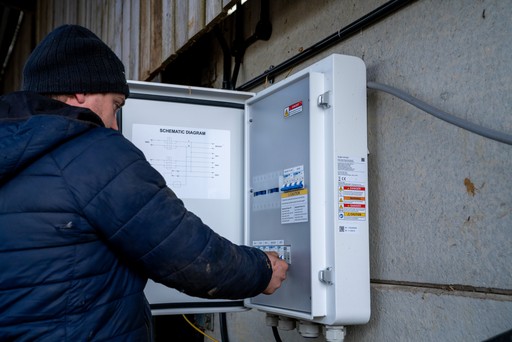
Battery storage for your home lets you buy electricity when it’s cheapest, store it, and use it when prices are high. In a larger home, that stored energy can run your heating and cooling, heat your pool and charge your car, and keep the essentials running in a power cut.
Under Ofgem’s price cap for October to December 2026, the average electricity unit rate is about 26p per kWh (Ofgem). Smart off-peak rates cost a fraction of that. A home battery lets you live on the cheaper rate, even in the evening.
How home battery storage works
A home battery is a rechargeable lithium battery connected to your electrics through an inverter. Paired with a smart time-of-use tariff, it runs a simple daily cycle:
Overnight: the battery charges from the grid in the cheap off-peak window.
Through the day: your home runs on stored energy instead of peak-rate electricity.
When it runs low: the home switches back to the grid automatically.
In a power cut: a system with backup keeps your chosen circuits powered.
Systems such as the SigenStor read your tariff, learn how you use energy and decide when to charge and discharge. Once installed, there’s nothing for you to do.
Do you need solar panels?
No. Home battery storage in the UK works without solar: it charges from the grid on an off-peak tariff. Read our guide to home battery storage without solar to see whether it’s worth it for your home.
What a battery can power in a larger home
Heating and cooling: keep rooms comfortable on stored off-peak energy. See heating and cooling.
Pool heating: keep the water warm for longer for less. See pool heating.
EV charging: charge overnight on the cheap rate, and top up in the day without paying peak prices.
Backup power: keep the fridge, Wi-Fi, lighting and security running in a power cut.
What size battery do you need?
It depends on how much electricity you use and when. Homes with an EV, pool or electric heating usually need more storage. Our guide to choosing the right battery explains sizing in detail.
How much does home battery storage cost in the UK?
Cost depends on capacity, installation and whether solar is included. Batteries fitted alongside solar are zero-rated for VAT until 31 March 2027; standalone batteries pay the standard rate. See our guide to battery costs.
What to look for in an installer
An MCS-certified installer
Backup capability, if power cuts are a concern
Smart tariff integration that charges at the cheapest times automatically
A clear warranty on capacity and years
One team for design, installation and aftercare
See what you could save
Every home is different, so any saving is an estimate. Try our savings calculator for your estimated annual saving in under two minutes, or call us on 01844 279274.